

-
15% off
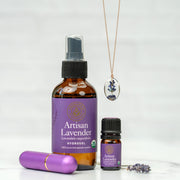
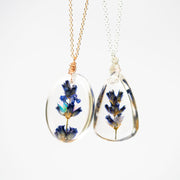
Artisan Lavender Set
Regular price From $81Sale price From $81Unit price per -
Lavender Oil Artisan
Regular price From $19Sale price From $19Unit price perLavandula angustifolia -
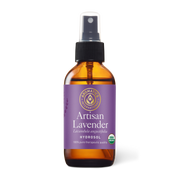
Lavender Artisan Hydrosol
Regular price $23Regular priceUnit price per -
-
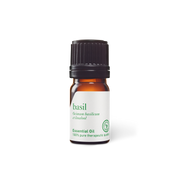
Basil Sweet Oil
Regular price From $12Sale price From $12Unit price perOcimum basilicum ct Linalool -
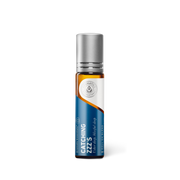
Catching Zzz's Blend
Regular price From $15Sale price From $15Unit price perUsher deep, blissful sleep -
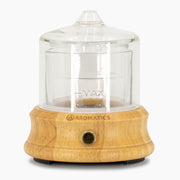
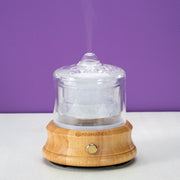
Aroma Glass Diffuser
Regular price $44Regular priceUnit price per


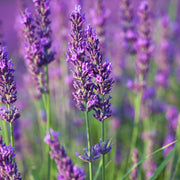
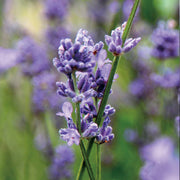
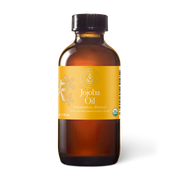

Bringing you the purest products, sustainably sourced from dedicated farmers and rigorously tested for therapeutic quality.


Essential Oils by Intention
View All





Shop by Aromatherapy Category
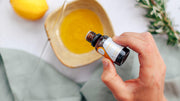
Essential Oil Recipes
View All 400+ Recipes-
Toilet Bowl Cleaner
Spray your way to a naturally clean toilet. -
Hay Fever Relief Inhaler
Ease allergy symptoms with this inhaler blend. -
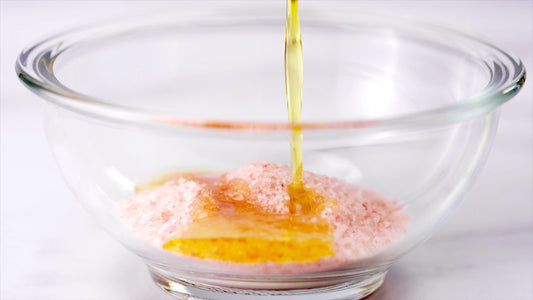
Vetiver & Lime Bath Salt
This soothing, grounding bath salt blend is relaxing and up... -
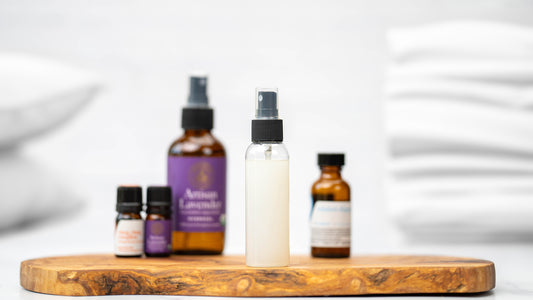
Good Night’s Sleep Lavender Linen Spray
Spray your way to a good night's sleep. -
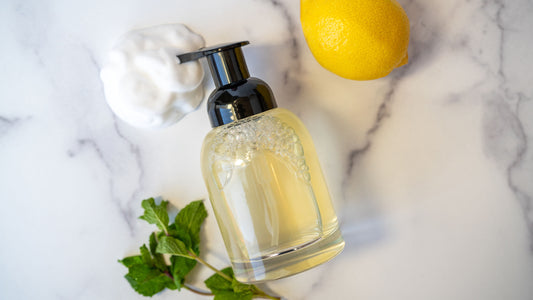
Citrus Mint Foaming Hand Soap
An uplifting & invigorating foaming hand soap blend. -
Spicy Chai Candle with a Citrus Twist
This DIY candle creates a warm ambiance with a delicious an...




Join Our Newsletter
Save 10% on your first order
Aromatherapy sent directly to your inbox. Receive tips, essential oil recipes, promotion alerts, live events and more. We look forward to connecting with you! *Exclusions apply.